
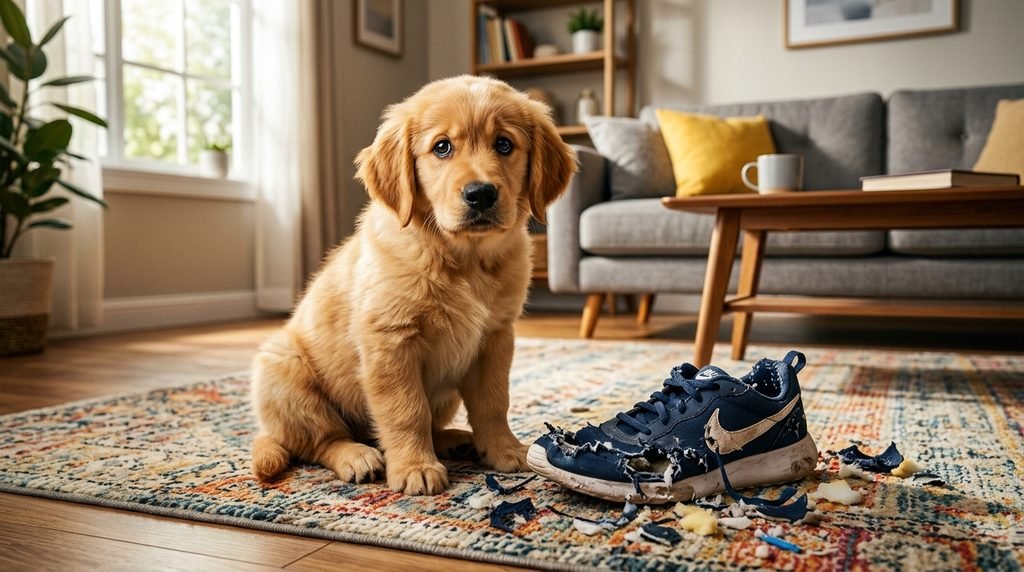
Finding reliable dog training Knoxville often means navigating a confusing maze of rigid schedules and opaque pricing. Pet parents frequently face waiting lists for group classes or high pressure for expensive board-and-train facilities. We bypass that frustration by providing immediate behavioral solutions straight to your living room.
Trust Block: Reviewed by a Certified Professional Dog Trainer | Methodology: Force-Free Positive Reinforcement | Last Updated: 2026
Table of Contents
Quick Answer: What is the best way to train your dog in Knoxville?
While local pet stores offer rigid group obedience sessions, many owners find better success focusing on home-based behavioral solutions first. Pairing the core principles of dog training Knoxville with accessible resources from dogstraining.us allows you to resolve issues immediately without waiting for a scheduled class.
How do I evaluate local dog training programs?
You evaluate dog training programs by closely examining their primary methodology, overall cost transparency, and the actual learning environment provided to the dog. Safe programs prioritize force-free positive reinforcement over punitive tools, offering clear pricing without requiring long-term contracts.
When researching options around town, many owners end up at facilities that push “balanced” methods involving e-collars or prong collars. You should immediately ask any prospective facility what happens when the dog makes a mistake. If the answer involves physical corrections, that facility prioritizes compliance over canine psychological health. We recommend verifying their methodologies against established humane guidelines.
Key Takeaway: Always demand total transparency regarding training tools and correction methods before handing over a credit card.
Understanding Force-Free vs. Balanced Training Methods

Canine psychology responds best to operant conditioning that focuses on rewarding desired behaviors. Force-free methodology means teaching a dog what to do instead of punishing them for what they do wrong. This approach builds a foundation of trust that accelerates learning.
In contrast, “balanced” methods often rely on positive punishment to suppress unwanted behavior temporarily. A common mistake owners make is accepting leash pops because they see immediate
compliance. Unfortunately, this suppresses the behavior while masking underlying anxiety, often leading to sudden aggression later.
The American Kennel Club strongly advocates for positive reinforcement techniques because they teach dogs to genuinely love the learning process. You want a willing partner rather than a frightened captive.
Key Takeaway: True behavioral change comes from reinforcing good choices rather than punishing confusion.
The Hidden Costs of Box-Store Group Classes
Retail chains heavily market six-week obedience courses as the standard entry point for new owners. These sessions often take place in a cordoned-off aisle filled with intense smells, barking peers, and constant foot traffic. Expecting a stressed puppy to learn loose-leash walking in that environment is like asking a toddler to do math in an arcade.
Furthermore, these rigid weekly slots require you to adjust your life to their availability. If you miss a Tuesday night session due to a family emergency, you miss a crucial developmental building block. This rigid structure forces many owners to drop out entirely.
By utilizing comprehensive Dogs Training eBooks, you control the learning environment completely. You introduce foundational concepts in your quiet living room before gradually adding outdoor distractions.
Key Takeaway: A high-distraction environment actively works against foundational learning for anxious or young dogs.
Self-Paced eBooks vs. Local Weekly Store Classes
To make an informed decision regarding dog training Knoxville, you must compare the practical realities of your options. Below is a breakdown of how at-home digital resources stack up against standard box-store retail classes.
| Evaluation Criteria | Self-Paced Dogs Training Guides | Local Box-Store Group Classes |
| Immediate Access | Instant download, start today | Must wait for next 6-week enrollment cycle |
| Learning Environment | Controlled, low-distraction home setting | Highly stimulating retail aisle with other dogs |
| Methodology | Strictly force-free positive reinforcement | Varies heavily based on the minimum-wage employee |
| Pacing | Tailored entirely to the dog’s comfort level | Rigid weekly curriculum regardless of progress |
| Cost Efficiency | One-time affordable purchase | High recurring fees with upsells for advanced levels |
Our resources provide the precise steps required for success without the retail markup. You can review our pricing packages to see exactly how cost-effective private, self-paced learning truly is.
Key Takeaway: Self-paced resources offer superior environmental control and pacing compared to rigid retail classes.
Are online dog training classes worth it?
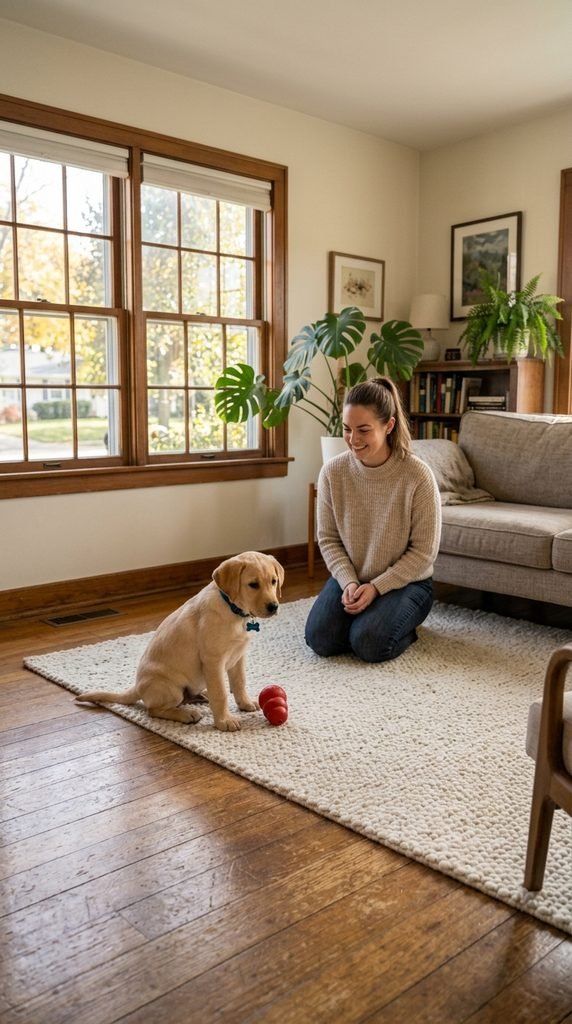
Online dog training classes are absolutely worth it because they provide immediate, expert-level behavioral intervention at a fraction of the cost of in-person sessions. Digital resources eliminate waiting lists, allowing you to implement positive reinforcement protocols the exact day a behavioral issue surfaces in your home.
When a dog suddenly starts chewing furniture, you cannot afford to wait three weeks for a scheduled retail class. Digital guides provide immediate access to
troubleshooting steps tailored to real home environments. This empowers you to manage the behavior proactively.
For example, when teaching the “place” command, a digital guide allows you to pause, rewind, and review the exact timing of the clicker marker. You dictate the schedule.
Key Takeaway: Immediate access to digital training materials prevents minor behavioral issues from becoming entrenched habits.
The 8-Week Force-Free Daily Routine Chart (Verified for 2026)
One major failing of generic dog training Knoxville options is the lack of structured daily schedules for new owners. We have developed this highly effective, printable daily routine based on standard canine developmental stages.
| Time / Stage | Activity | Behavioral Goal |
| 7:00 AM | Morning Potty & Breakfast | Hand-feed kibble to prevent resource guarding. |
| 8:30 AM | Structured Play (15 mins) | Use toys to build drive and focus on the handler. |
| 10:00 AM | Crate Rest & Nap | Prevent overstimulation; teach calm isolation. |
| 12:30 PM | Mid-Day Potty & Training | Practice sit/down commands using meal portions. |
| 3:00 PM | Environmental Exposure | Expose to novel sounds or surfaces indoors. |
| 5:30 PM | Evening Walk (Short) | Practice leash pressure yielding without corrections. |
| 7:00 PM | Settle on Place Mat | Reinforce calm behavior while humans eat dinner. |
| 9:30 PM | Final Potty & Lights Out | Establish a predictable, comforting bedtime routine. |
Following a predictable routine dramatically lowers a puppy’s cortisol levels. It provides the consistency required for successful potty and behavioral conditioning.
Key Takeaway: A structured daily routine prevents behavioral issues by clearly defining expectations for the dog.
How do I stop my puppy from biting and regressing?
You stop puppy biting by instantly redirecting their teeth to an appropriate chew toy the moment contact occurs, then consistently praising them for chewing the toy. If biting persists, immediately remove your attention by stepping over a baby gate to signal that teeth end playtime.
Regressions happen when owners inadvertently reward pushy behavior. If you laugh or push a jumping puppy away, they perceive that physical contact as an engaging game. You must remain entirely neutral and still until they offer a calm behavior like sitting.
Here is what actually happens: an owner yells “no” when bitten, which sounds like an exciting bark to the puppy. The puppy bites harder, the owner gets frustrated, and the bond suffers. Instead, calmly disengaging starves the behavior of the attention it seeks.
Key Takeaway: Removing your attention is the most powerful consequence you can deliver to a demanding puppy.
Addressing Separation Anxiety at Home
Separation anxiety requires systematic desensitization rather than just letting the dog “cry it out” in a crate. You must gradually expose the dog to your departure cues—like picking up keys or putting on shoes—without actually leaving the house. This breaks the association between those sounds and the panic of isolation.
Start by stepping outside the front door for exactly three seconds and returning before the dog has time to whine. If you wait until they panic, you reinforce the exact anxiety you want to cure. Slowly increase the duration over weeks.
For specific guidance on managing severe home anxiety, our direct support team can point you toward the appropriate digital materials.
Key Takeaway: Curing separation anxiety requires returning before the dog panics, never after.
When to Consult a Certified Veterinary Behaviorist
While our resources cover extensive obedience and behavioral modification, we maintain strict safety boundaries. If your dog exhibits severe, unpredictable aggression, human-directed biting, or extreme resource guarding, you must consult a certified veterinary behaviorist.
Standard dog training Knoxville facilities are often not medically equipped to diagnose neurological or severe trauma-based reactivity. A clinical professional can evaluate if pharmaceutical intervention is necessary alongside training.
Key Takeaway: Never attempt to resolve dangerous, unpredictable aggression without a credentialed veterinary behaviorist.
Frequently Asked Questions About Knoxville Dog Training
What age should a puppy start training?
Training begins the moment you bring them home, typically around 8 weeks old. Start with basic routines, potty habits, and gentle socialization before moving to formal obedience.
Are electronic collars safe for training?
We strictly advocate against e-collars. They rely on pain and fear, which can suppress behavior temporarily but often leads to increased anxiety and unpredictable aggression later.
How long does it take to train a dog?
Basic obedience usually takes 6 to 8 weeks of consistent, daily practice. However, behavioral modification is a lifelong process of managing environments and reinforcing good choices.
Can an older adopted dog learn new commands?
Absolutely. Dogs of any age respond exceptionally well to positive reinforcement. Older dogs just require more patience as you are replacing long-established habits with new ones.
Do I need a professional trainer for basic obedience?
Not necessarily. Many owners successfully teach basic obedience using comprehensive digital guides and consistent daily routines, saving thousands of dollars compared to private lessons.
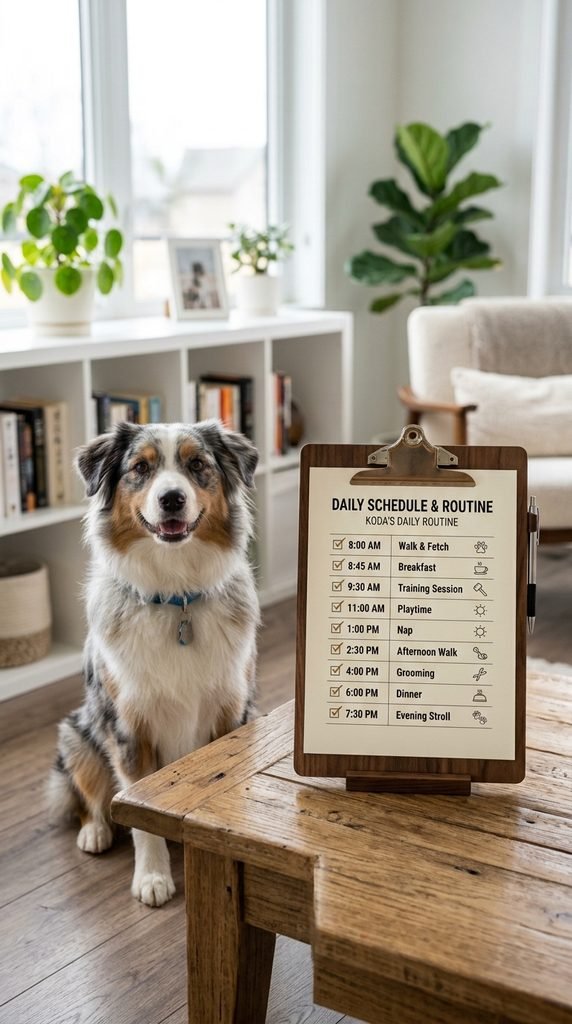
Start Your Dog’s Positive Reinforcement Journey Today
Stop waiting for the next available retail class and take control of your dog’s behavioral development right now. Equip yourself with the exact knowledge needed to foster a calm, confident companion by exploring our self-paced Dogs Training guides today.