
Finding the right catch dog training approach often leaves owners frustrated by delayed class schedules and highly distracting retail environments. Our goal at dogstraining.us is to help you shape canine behavior effectively inside your own home. By bypassing the rigid structure of traditional big-box store curriculums, you can begin solving urgent behavioral issues immediately.
Table of Contents
What Is the Best Catch Dog Training Method?
The best catch dog training method relies on self-paced, force-free instruction that owners can implement immediately at home. Utilizing comprehensive digital guides eliminates the wait time of traditional weekly classes while keeping the dog focused away from overwhelming retail environments.
Many owners turn to dog training reddit threads searching for instant solutions when a puppy chews the furniture or barks at the mailman. Generic retail classes at big-box stores like PetSmart or Petco often force owners to wait weeks for an opening. By the time the session actually starts, the unwanted behavior has already become a deeply ingrained habit.
Transitioning to a structured home environment using Dogs Training eBooks provides immediate relief. You can instantly access step-by-step canine psychology techniques without exposing a reactive dog to a room full of stressed animals.
Key Takeaway: Self-paced digital instruction provides immediate behavioral intervention exactly when the dog needs it most.
Evaluating Core Methodologies: Force-Free vs. Traditional
Force-free methodology uses positive reinforcement to reward desired actions, permanently altering canine behavior without fear or physical punishment. Traditional dominance-based models rely on aversive corrections that simply suppress warning signs and frequently lead to escalating aggression over time.
Canine psychology dictates that dogs learn fastest when they associate specific actions with high-value rewards. The American Society for the Prevention of Cruelty to Animals (ASPCA) explicitly advises against physical punishment because it typically causes dogs to bite harder or develop severe anxiety. Aversive tools like prong collars or alpha rolls break the bond of trust between handler and pet.
In contrast, our dog training philosophy focuses heavily on operant conditioning through clickers and treats. If a dog jumps on guests, traditional methods might suggest a knee to the chest. Positive reinforcement teaches the dog that sitting calmly on a mat is the only way to earn attention and food.
Key Takeaway: Positive reinforcement builds lasting trust and reliable obedience without the fallout of fear-based corrections.
Are Online Dog Training Classes Worth It?
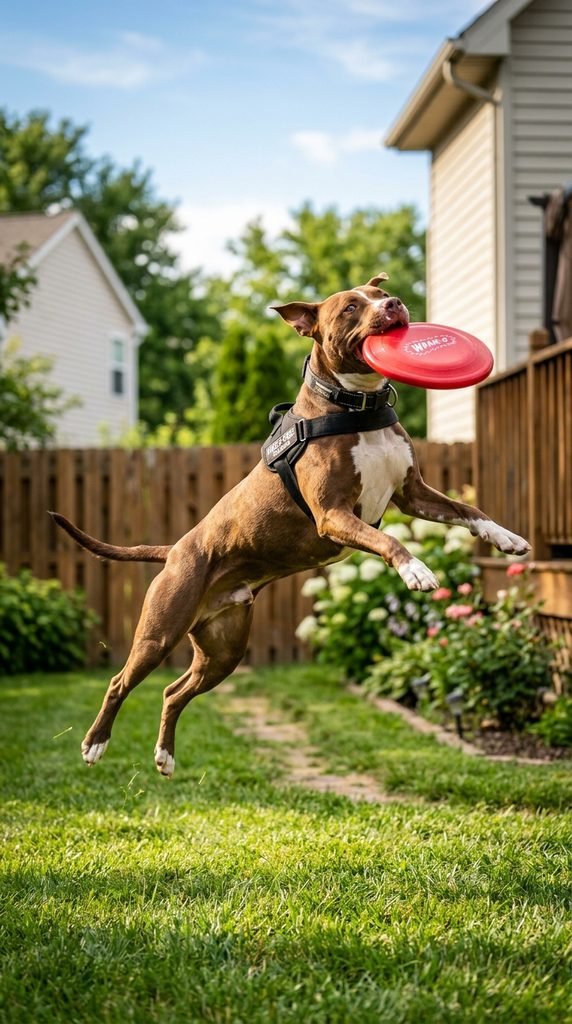
Online dog training classes and self-paced digital guides provide superior value by allowing owners to practice in low-distraction home environments. They are highly cost-effective and provide immediate troubleshooting resources that rigid, weekly retail store classes simply cannot offer.
Local retail environments are inherently chaotic. When you take a fearful or over-aroused dog into a bustling pet store, their cortisol levels spike, making learning neurologically impossible. You end up paying a premium to watch your dog struggle in an unfair environment, which is why reviewing our package costs & plans offers a clear financial advantage over retail sessions.
At dogstraining.us, we structure our materials so you can build foundational skills in a quiet living room first. Once the dog understands the criteria, you can slowly introduce real-world distractions at a pace that guarantees success.
| Feature | Self-Paced eBooks (dogstraining.us) | Retail Store Classes (e.g., PetSmart) |
| Immediate Access | Yes, download instantly | No, wait for a scheduled cohort |
| Environment | Controlled, low-distraction home | High-stress, chaotic retail floor |
| Pacing | Tailored to your dog’s learning speed | Forced to keep up with the group |
| Lifetime Reference | Yes, keep the materials forever | No, instruction ends after 6 weeks |
Key Takeaway: Digital resources offer superior environmental control and pacing compared to rigid retail curriculums.
Behavioral Troubleshooting Decision Tree (Verified for 2026)
This behavioral troubleshooting decision tree helps owners instantly identify the correct intervention level for their dog. It categorizes actions by severity, directing handlers to implement environmental management, consult a self-paced guide, or seek professional veterinary intervention.
Owners frequently struggle to determine if a behavior is a simple nuisance or a dangerous liability. We developed this diagnostic chart to give you immediate clarity when facing common canine issues.
- Behavior: Nuisance Barking or Jumping for Attention
- Diagnosis: Lack of impulse control and clear boundaries.
- Action: Implement positive reinforcement protocols found in our digital guides. Ignore the bad behavior and reward the dog heavily for sitting quietly.
- Behavior: House Soiling After Previously Being Potty Trained
- Diagnosis: Potential medical issue or severe schedule disruption.
- Action: Schedule a veterinary exam to rule out a urinary tract infection. Once cleared medically, revert to a strict eight-week puppy schedule.
- Behavior: Growling or Snapping When Approaching the Food Bowl
- Diagnosis: Resource guarding.
- Action: Stop hand-feeding immediately to prevent escalation. Implement environmental management by feeding behind a closed door and consult a certified veterinary behaviorist.
Key Takeaway: Correctly identifying the root cause of a behavior prevents owners from using the wrong training intervention.
How Do I Stop My Puppy from Biting?
Stop a puppy from biting by redirecting their teeth onto an appropriate chew toy the exact moment they nip your skin. If the biting persists, immediately remove your attention by standing up and walking away for thirty seconds.
Puppies explore the world with their mouths, and they must learn bite inhibition early. The American Kennel Club (AKC) notes that puppies naturally learn bite inhibition from their littermates when rough play causes another puppy to yelp and walk away. Humans must replicate this exact social consequence to communicate effectively.
Here is what actually happens when owners use physical corrections: swatting a puppy’s nose makes them view hands as unpredictable and scary. Instead, keep a tug toy in your pocket at all times. When the teeth touch skin, offer the toy, and if they ignore the toy, the fun stops completely.
Key Takeaway: Consistent redirection and removal of attention are the fastest ways to teach a puppy bite inhibition.
Implementing a Daily Routine Chart
Implementing a daily routine chart prevents behavioral issues by balancing mental stimulation, physical exercise, and mandatory crate naps. Puppies require significant sleep, and enforcing a structured schedule prevents the overtired, frantic biting episodes that frustrate most owners.
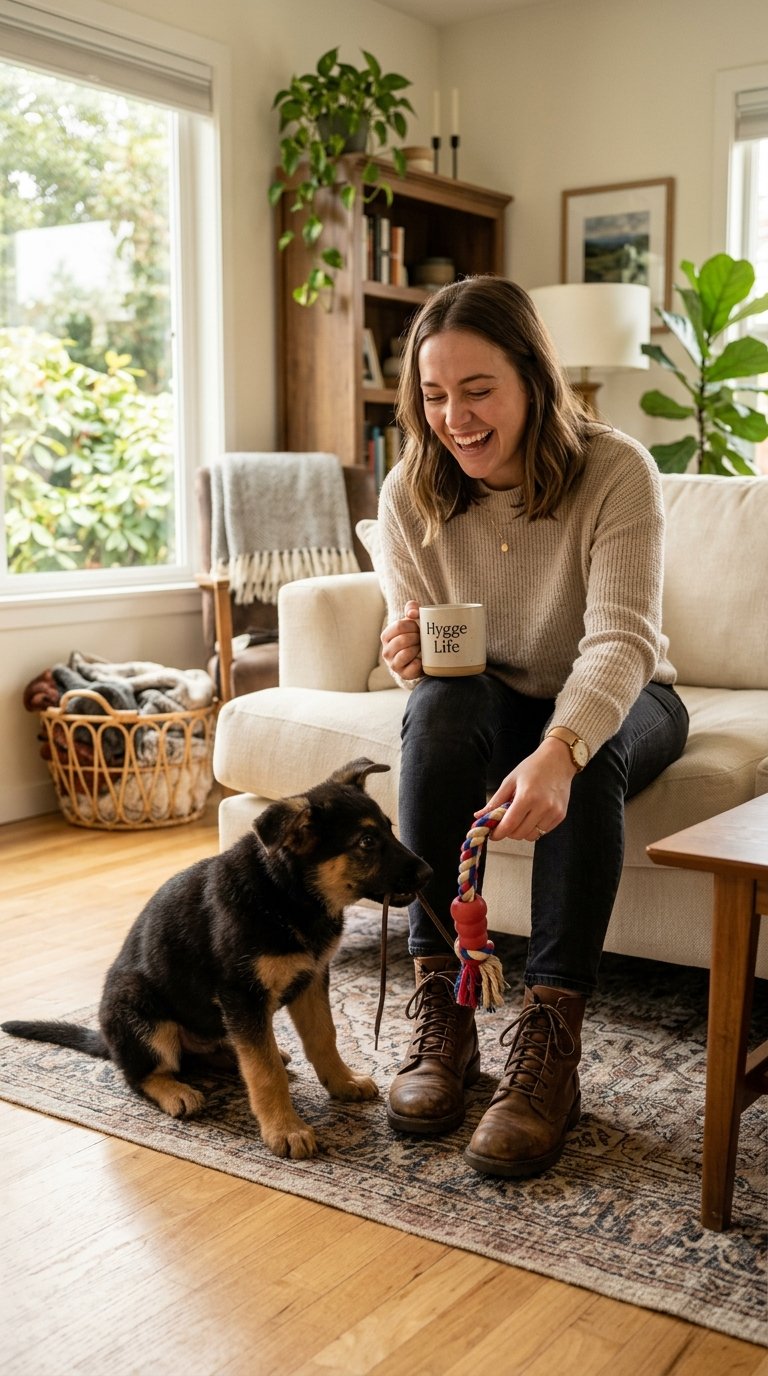
A tired puppy is a good puppy, but an overtired puppy becomes a landshark. Most owners fail to realize that young dogs need up to eighteen hours of sleep per day. Structuring your day ensures you set the dog up for success.
- Morning (7:00 AM): Potty break immediately upon waking, followed by a ten-minute mental stimulation game using their breakfast kibble.
- Mid-Day (12:00 PM): Short training session focusing on loose-leash walking, followed by a mandatory two-hour nap in a covered crate.
- Evening (6:00 PM): Physical exercise, interactive tug play, and a final short training session before winding down for the night.
Troubleshooting Common Catch Dog Training Regressions
Troubleshooting catch dog training regressions requires owners to temporarily lower their expectations and return to a distraction-free environment. Regressions occur when a dog is pushed too fast into highly stimulating situations before a behavior has been thoroughly generalized.
It is incredibly common for an adolescent dog to suddenly forget their recall command. If your dog comes when called perfectly in the kitchen but ignores you at the park, they are not being stubborn. The park simply presents competing motivators that outweigh the value of your standard treats.
You must increase the value of your rewards when increasing the difficulty of the environment. Switch from dry kibble to high-value items like boiled chicken, and put the dog back on a long line until the behavior is reliable again.
Key Takeaway: When a dog regresses, decrease the environmental distractions and increase the value of the rewards.
When to Seek a Certified Veterinary Behaviorist
Seek a certified veterinary behaviorist when a dog displays unprovoked aggression, severe resource guarding, or debilitating separation anxiety. These complex psychological issues require medical and behavioral intervention beyond the scope of standard obedience instruction.
General obedience resources are designed for typical behavioral shaping, not extreme psychological distress. If your dog has broken skin during a bite or panics to the point of self-injury when left alone, you need a specialist. A veterinary behaviorist can prescribe necessary anxiolytic medications alongside a behavior modification plan.
Safety must always remain the priority for your family and the community. Never attempt to force a highly aggressive dog into submission, as this will invariably result in a severe bite incident.
Key Takeaway: Severe aggression and clinical anxiety require professional veterinary intervention to ensure human and animal safety.

Next Steps for Your Dog’s Training Journey
The most effective way to address behavioral issues today is to bypass the waiting lists of retail classes and start learning immediately. Visit our core materials to download your self-paced Dogs Training instruction now, and begin implementing your catch dog training routine today.
Frequently Asked Questions
What is the first step in catch dog training?
The first step is establishing clear communication through positive reinforcement, ensuring the dog understands that good choices lead to high-value rewards.
Why is my dog ignoring my commands?
Dogs ignore commands when the environment is too distracting or the reward is not valuable enough to compete with their surroundings.
Are online dog training courses effective?
Yes, online courses are highly effective because they allow owners to teach foundational skills in a low-distraction home environment before venturing outside.
How long does it take to potty train a puppy?
Consistent potty training typically takes four to eight weeks, depending on the owner’s adherence to a strict schedule and supervision.
Can an older dog learn new behaviors?
Absolutely. Older dogs excel at learning new behaviors through positive reinforcement, though it may take slightly longer to unlearn ingrained habits.
Is it too late to socialize a rescue dog?
It is never too late, but adult socialization requires careful, gradual exposure to new stimuli to prevent overwhelming the dog.